What We Do
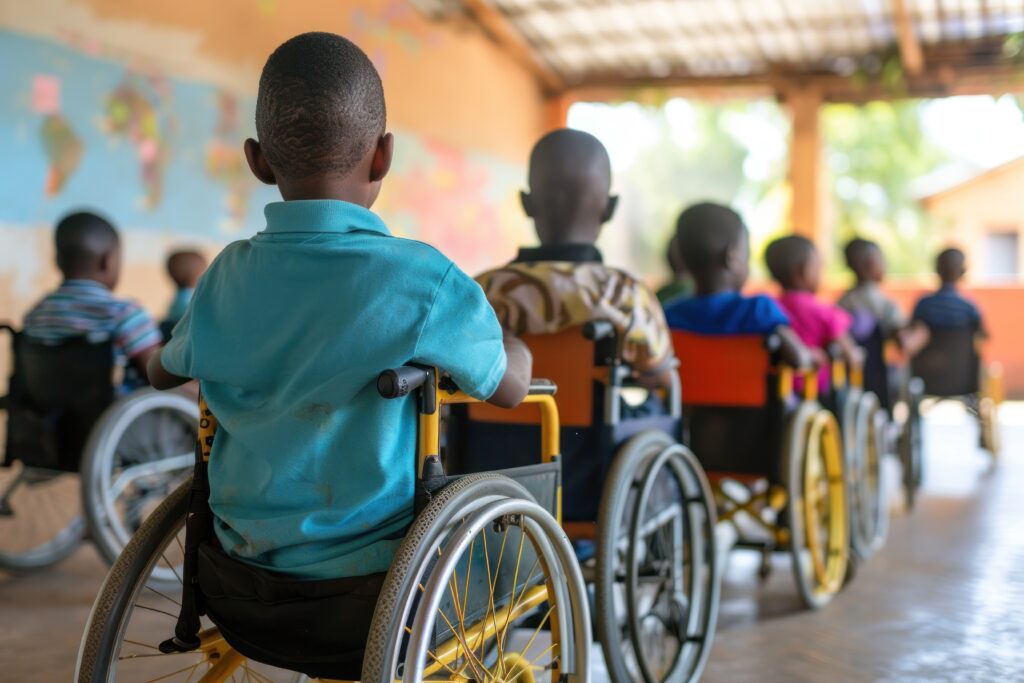
Every child born with spina bifida and hydrocephalus in Uganda deserves more than a diagnosis. They deserve a system that catches them and keeps them. St.Matthew SBHSA builds that system through three interconnected pillars, each one designed to address a dimension of the crisis that the others cannot reach alone.
Health
Ensuring Survival and Continuity of Care Beyond the Hospital
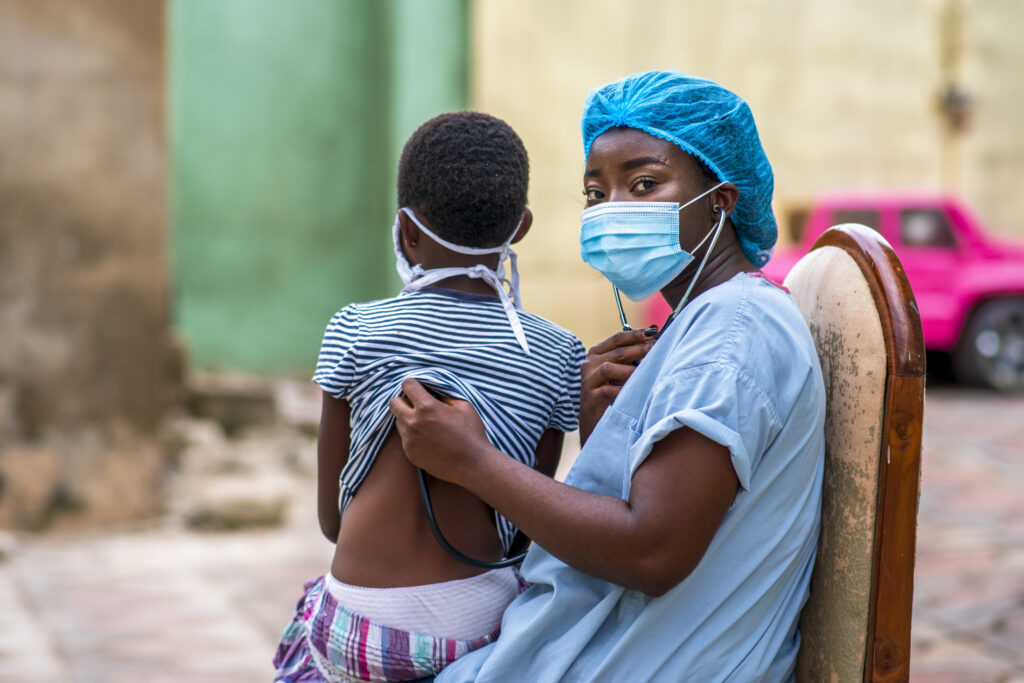
Children with spina bifida or hydrocephalus in Uganda face significant challenges after their initial clinical crisis. Life-saving surgeries are limited to a few specialist centers, and many families are unaware of them or cannot access them in time. Once a child is discharged, follow-up care is often inadequate, lacking structured rehabilitation and community support.St. Matthew SBHSA addresses these gaps through:-
Clinical Navigation and Referral: Connecting families to the necessary specialist care and guiding them through the referral process.
Post-Discharge Follow-Up: Monitoring families after surgery, ensuring adherence to treatment, and managing complications.
Health Education and Caregiver Training: Teaching caregivers essential skills to manage their child’s condition, including wound care and nutritional needs.
Faith-Community Health Engagement: Collaborating with religious leaders to provide accurate health information, helping families seek timely clinical care.
Education
Ensuring Children Are Seen, Included, and Supported to Learn
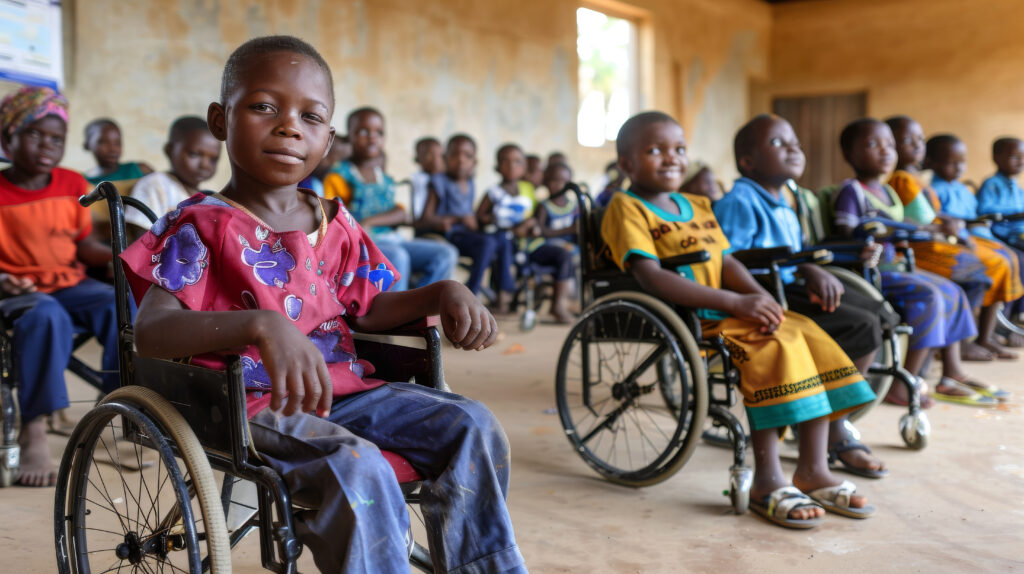
Children with spina bifida or hydrocephalus often face barriers to education, including incontinence, unprepared teachers, unkind peers, and inaccessible facilities. Families may also be unaware of their child’s right to attend school. St. Matthew SBHSA addresses these challenges through:
School Inclusion Support: We assist families with appropriate school placements, enrollment, and advocate for necessary accommodations like accessible facilities and individualized learning.
Teacher and School Sensitization: We raise awareness about spina bifida and hydrocephalus among educators, dismantling stigma and providing practical tools for support.
Caregiver Education: We inform parents about their legal rights to inclusive education under the Persons with Disabilities Act in Uganda.
Early Childhood Stimulation: We support caregivers of younger children with hydrocephalus by offering at-home activities that foster cognitive and social development.
Empowerment
Strengthening Families, Community Structures, and the SBH Ecosystem
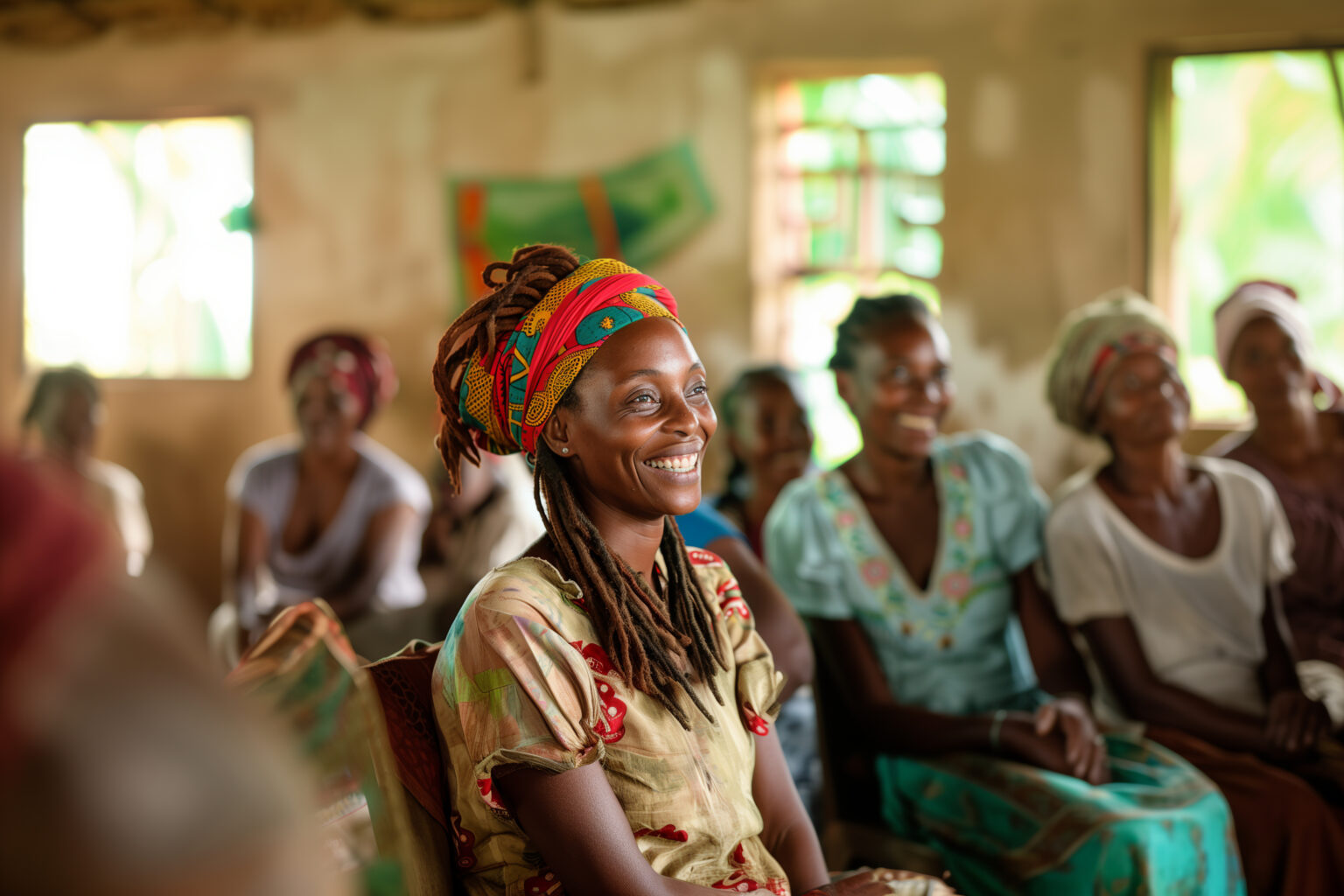
The third crisis, often overlooked in clinical records, occurs within the home and affects caregivers, mainly mothers raising children with SBH. They frequently face societal stigma and emotional burdens, leading to significant delays in seeking care and difficulties with treatment adherence 62% consulted faith healers first, and 55% struggled with adherence due to faith-based directives. Our empowerment pillar aims to transform this reality:
Caregiver Support: We create peer support spaces where mothers can share experiences, receive emotional support, and rebuild a sense of belonging.
Economic Empowerment: We connect caregivers with income-generating opportunities and support initiatives to alleviate financial strain.
Faith Community Transformation: We collaborate with religious leaders to provide accurate SBH information, aiding families more effectively than traditional outreach.
Advocacy and Rights Education: We inform families of their rights under national and international disability laws, empowering them against neglect.
Community Networking: We are building a national network of SBH families in Uganda to share knowledge, support, and advocate.
Why these Three Pillars Work Together
A child whose surgery was successful but whose mother was abandoned by her church will not thrive. A child enrolled in school but whose family cannot afford catheter supplies, will not stay enrolled. A caregiver who is economically supported but spiritually isolated will collapse under the weight of it all. Health without education leaves a child alive but excluded. Education without empowerment leaves a family informed but unsupported. Empowerment without health leaves a community mobilised around a child who did not survive. This is why St. Matthew SBHSA refuses to separate them.
Every family we reach. Every child who stays in school. Every faith leader who changes what they say from a pulpit. Every mother who finds her voice in a peer support group. This is what we do.